Employee Resigns Suddenly? A Complete HR Exit Documentation Checklist for Employers
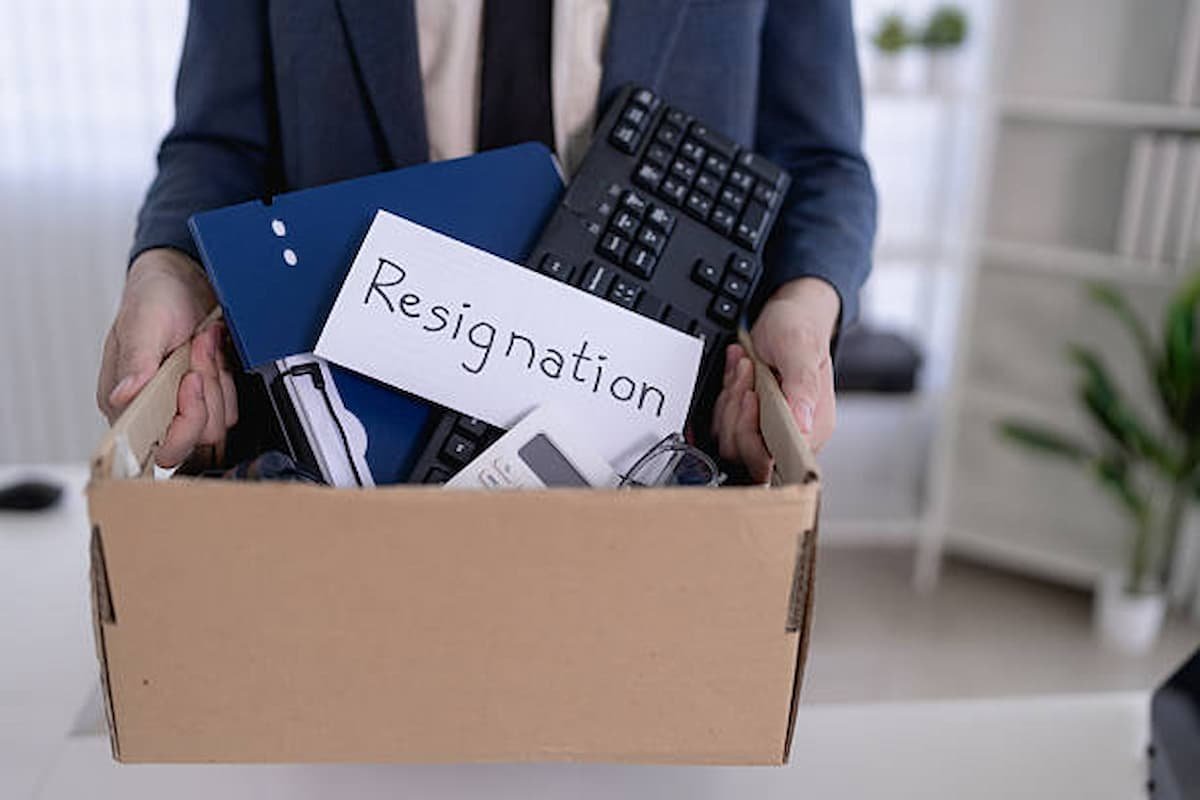
An employee resigning suddenly can create unexpected challenges for a business. Important responsibilities may remain unfinished, company assets may need to be recovered, and HR may have to complete payroll, documentation and statutory formalities within a short period.
For small and growing businesses, an unplanned employee exit can also affect daily operations, customer commitments and team productivity.
In such situations, employers should follow a structured employee exit process and maintain proper records. Even when an employee leaves without serving the full notice period, HR should document the circumstances, review applicable employment terms and complete the necessary formalities.
This guide explains the important HR documents and procedures employers should consider when an employee resigns suddenly.
1. Obtain and Record the Resignation
The first step is to establish whether the employee has actually submitted a resignation.
If the employee resigns through email, a signed letter or an HR system, preserve the original communication with its date and time.
HR should record:
– Employee name, designation and department.
– Date of resignation.
– Reason for leaving, if voluntarily provided.
– Proposed last working day.
– Notice period applicable under the employment terms.
– Any request for early release or notice-period waiver.
If the resignation is communicated verbally, request written confirmation and record the communication appropriately.
Important: Do not automatically treat an employee’s absence or failure to report to work as a resignation. If there is no resignation communication, follow the organisation’s applicable unauthorised-absence and disciplinary procedures.
2. Issue a Resignation Acknowledgement or Acceptance Letter
Once the resignation is reviewed, HR should communicate the organisation’s decision in writing.
The acknowledgement or acceptance communication should clearly mention:
– Reference to the employee’s resignation.
– Date of receipt.
– Whether the resignation is accepted.
– Notice-period requirements.
– Agreed or proposed last working day.
– Whether early release or notice waiver has been approved.
– Handover and exit formalities.
If the employee requests immediate release, the employer should communicate whether the request is approved and how any applicable notice-period adjustment will be handled under the employment terms and applicable law.
Keep a copy of the communication in the employee’s personnel file.
3. Review the Notice Period and Employment Terms
A sudden resignation does not automatically mean that the employee is exempt from applicable notice-period obligations.
HR should review the appointment letter, employment agreement and relevant company policies before deciding the next steps.
Check:
– Required notice period.
– Notice-period waiver provisions.
– Early release conditions.
– Any applicable notice-pay adjustment.
– Outstanding contractual or statutory obligations.
Do not make arbitrary salary deductions or impose penalties without a valid contractual and legal basis. Any recovery should be properly documented and checked against applicable wage laws.
4. Prepare a Handover and Knowledge Transfer Record
One of the biggest risks of sudden resignation is the loss of important operational information.
Where possible, HR should coordinate with the reporting manager to arrange a structured handover.
The handover document may include:
– Pending assignments and work status.
– Important client or vendor responsibilities.
– Project files and business records.
– Passwords or system access transferred through authorised IT procedures.
– Important deadlines and follow-up activities.
– Pending approvals and unresolved issues.
– Name of the person taking over responsibilities.
The employee and receiving manager should acknowledge the handover where practical.
If the employee leaves immediately and a complete handover is not possible, the manager should prepare an internal record of outstanding responsibilities and available business information.
5. Complete the No-Dues and Company Asset Clearance
Before closing the employee’s exit process, HR should coordinate with the relevant departments to identify company property and outstanding obligations.
Depending on the employee’s role, the clearance checklist may include:
– Laptop, desktop or mobile phone.
– Identity card and access card.
– Office keys and equipment.
– Documents, files and company records.
– Uniforms or other issued materials.
– Advances, loans or authorised outstanding amounts.
– Company accounts and system access.
Use a written no-dues or clearance form to record the status of each item.
If an item is not returned, document the facts and handle any proposed recovery according to applicable law and the employment terms.
6. Calculate Full and Final Settlement
The full and final settlement (F&F) is an important part of employee exit management.
HR and payroll should calculate the employee’s payable amounts and any lawful, authorised adjustments based on the actual employment records.
Depending on the employee’s circumstances, the settlement may include:
Possible payments:
– Unpaid salary up to the applicable last working day.
– Eligible unused leave encashment.
– Pending approved reimbursements.
– Applicable incentives or bonus.
– Gratuity, where eligibility conditions are satisfied.
– Other contractual or statutory dues.
Possible adjustments:
– Applicable notice-pay adjustment.
– Salary advances or outstanding loans, where recoverable.
– Other legally permitted and properly authorised deductions.
Prepare a detailed F&F statement showing the calculation of earnings, deductions and net payable amount.
Do not withhold all earned wages merely because the employee has not completed a handover or returned company property. Settlement and recovery issues should be handled separately and in accordance with applicable law.
7. Update EPF, ESIC and Other Applicable Records
Employee exits may require updates to statutory records and payroll systems.
Where EPF applies, HR or payroll should ensure that the employee’s date of exit is correctly recorded in the EPFO system and that the supporting employment records are maintained.
The EPFO’s published Standard Operating Procedure identifies documents such as resignation letters, experience certificates, wage slips and full-and-final letters as supporting records for certain date-of-leaving and reason-of-leaving matters.
Where ESIC applies, review the employee’s separation and contribution records and complete the applicable updates.
Also review other applicable records, such as professional tax, income-tax payroll records and establishment-specific registers, as relevant.
Important: The statutory requirements depend on the establishment, employee coverage and applicable laws. Do not assume every employee or employer has identical EPF, ESIC or other filing obligations.
8. Issue Relieving and Experience Documents
Once the employment separation is properly recorded, HR should prepare the relevant employment documents.
Common documents include:
Relieving Letter: Confirms the employee’s release from employment and records the relevant separation date.
Experience or Service Certificate: Records the employee’s designation, employment period and other appropriate service details.
Final Salary Slip: Provides the applicable final payroll details.
Full and Final Settlement Statement: Explains the final payment calculation and adjustments.
Ensure that the employee’s name, designation, employment dates and other details are accurate.
The documents should reflect the actual circumstances of the exit. Do not issue a misleading confirmation that all formalities have been completed if important matters remain unresolved.
9. Conduct an Exit Interview Where Possible
Even when an employee leaves unexpectedly, an exit discussion can provide useful feedback.
HR may ask about:
– Reasons for leaving.
– Workplace concerns.
– Management and communication.
– Workload and working conditions.
– Suggestions for improving employee retention.
If the employee is unavailable or unwilling to participate, record that the exit interview could not be completed.
Exit feedback can help management identify recurring issues and improve HR practices.
10. Close the Employee File and Secure Company Access
The final step is to close the employee’s HR records and ensure that company information remains protected.
HR and IT should coordinate to:
– Update employee status in HR and payroll systems.
– Revoke access to company email and applications at the appropriate time.
– Disable access cards and other credentials.
– Transfer ownership of business files and accounts.
– Preserve records required for statutory or business purposes.
– Restrict access to confidential employee information.
Access removal should be coordinated with business continuity requirements and documented properly.
HR Checklist: Documents to Complete When an Employee Resigns Suddenly
Use this checklist to track the employee’s exit process.
– [ ] Resignation letter or email, where submitted.
– [ ] Resignation acknowledgement or acceptance communication.
– [ ] Notice-period review and early-release approval, where applicable.
– [ ] Confirmation of the last working day.
– [ ] Handover and knowledge-transfer record.
– [ ] No-dues and company asset clearance form.
– [ ] Attendance, leave and payroll records.
– [ ] Full and final settlement calculation.
– [ ] EPF, ESIC and other applicable statutory record updates.
– [ ] Relieving letter and experience or service certificate, as appropriate.
– [ ] Final salary slip and payment records.
– [ ] Exit interview record, where completed.
– [ ] IT access closure and employee-file closure.
Not every document is mandatory in every situation. The checklist should be adapted to the organisation’s policies, employment terms and applicable statutory requirements.
What If an Employee Stops Reporting to Work Without Resigning?
This situation requires a different approach.
If an employee suddenly stops attending work without submitting a resignation, HR should not immediately record the employee as having voluntarily resigned.
Instead, the organisation should:
1. Check attendance and leave records.
2. Attempt to contact the employee through documented communication channels.
3. Issue an appropriate written notice seeking an explanation, where required.
4. Review the employment terms and applicable absence-management procedures.
5. Provide the employee an opportunity to respond.
6. Document the management decision and follow the applicable process before closing the employment record.
For establishments in Assam, employers should review the applicable state employment legislation and rules. The Assam Government publishes the relevant Shops and Establishments legislation through its Labour Welfare Department.
Common HR Mistakes to Avoid During Sudden Employee Resignation
– Accepting verbal information without maintaining written records.
– Confusing unauthorised absence with voluntary resignation.
– Failing to confirm the actual last working day.
– Making unsupported notice-pay or asset-related deductions.
– Delaying or overlooking applicable employee dues.
– Forgetting statutory exit updates.
– Issuing inaccurate relieving or experience documents.
– Closing system access without coordinating the handover.
– Failing to preserve important employee and payroll records.
A documented and consistent exit procedure helps reduce confusion and supports fair treatment of both the employer and the departing employee.
How Maplores Can Help Businesses Manage HR Exit Formalities
Maplores provides HR consulting and business support services to help employers manage important employee-related processes.
Businesses can seek professional assistance with:
– Employee documentation and HR records.
– HR policies and procedures.
– Payroll processing and employee settlement coordination.
– HR compliance management.
– EPF and ESIC support, where applicable.
– Statutory notices and compliance matters.
– Recruitment and employee management support.
Whether an employee resigns suddenly or your organisation needs a more structured employee exit process, Maplores can help identify the relevant HR requirements and support better documentation practices.
Explore Maplores services at https://maplores.com/
Frequently Asked Questions
What documents should HR prepare when an employee resigns suddenly?
HR should maintain the resignation communication, acknowledgement or acceptance, last-working-day confirmation, handover record, no-dues clearance, payroll and F&F statement, applicable statutory records and relevant relieving or experience documents.
Can an employer deduct notice pay when an employee resigns immediately?
Notice-pay recovery depends on the employment terms, applicable law and the circumstances of the resignation. Employers should review the relevant provisions and ensure any adjustment is legally permissible and properly documented.
What should HR do if an employee leaves without submitting a resignation?
The employer should document the absence, attempt written communication, seek an explanation through the applicable procedure and avoid automatically treating the employee as resigned.
Is a relieving letter necessary after resignation?
A relieving letter is commonly issued as an employment exit document. Its form and legal significance depend on the circumstances and applicable requirements. Employers should maintain accurate records of the employee’s separation.
Should EPF and ESIC records be updated after an employee leaves?
Where the employee and establishment are covered by the respective schemes, HR or payroll should complete the applicable exit-related updates and maintain supporting records.
Can full and final settlement be withheld because an employee did not complete the handover?
Employers should not automatically withhold earned wages because of an incomplete handover. Any lawful recovery or adjustment should be assessed separately, supported by records and handled in accordance with applicable law.
Conclusion
An employee resigning suddenly can disrupt business operations, but an organised HR exit process helps employers manage the situation professionally.
From recording the resignation and reviewing the notice period to completing handover, payroll settlement, statutory updates and employment documents, every important step should be properly documented.
For growing businesses, maintaining a standard employee exit checklist can reduce administrative confusion, improve HR recordkeeping and support consistent employee management.
Need professional assistance with employee documentation, HR compliance or payroll processes? Connect with Maplores and strengthen your organisation’s HR practices.