
Bonus, Gratuity & Leave Encashment in India: Latest Rules & Compliance
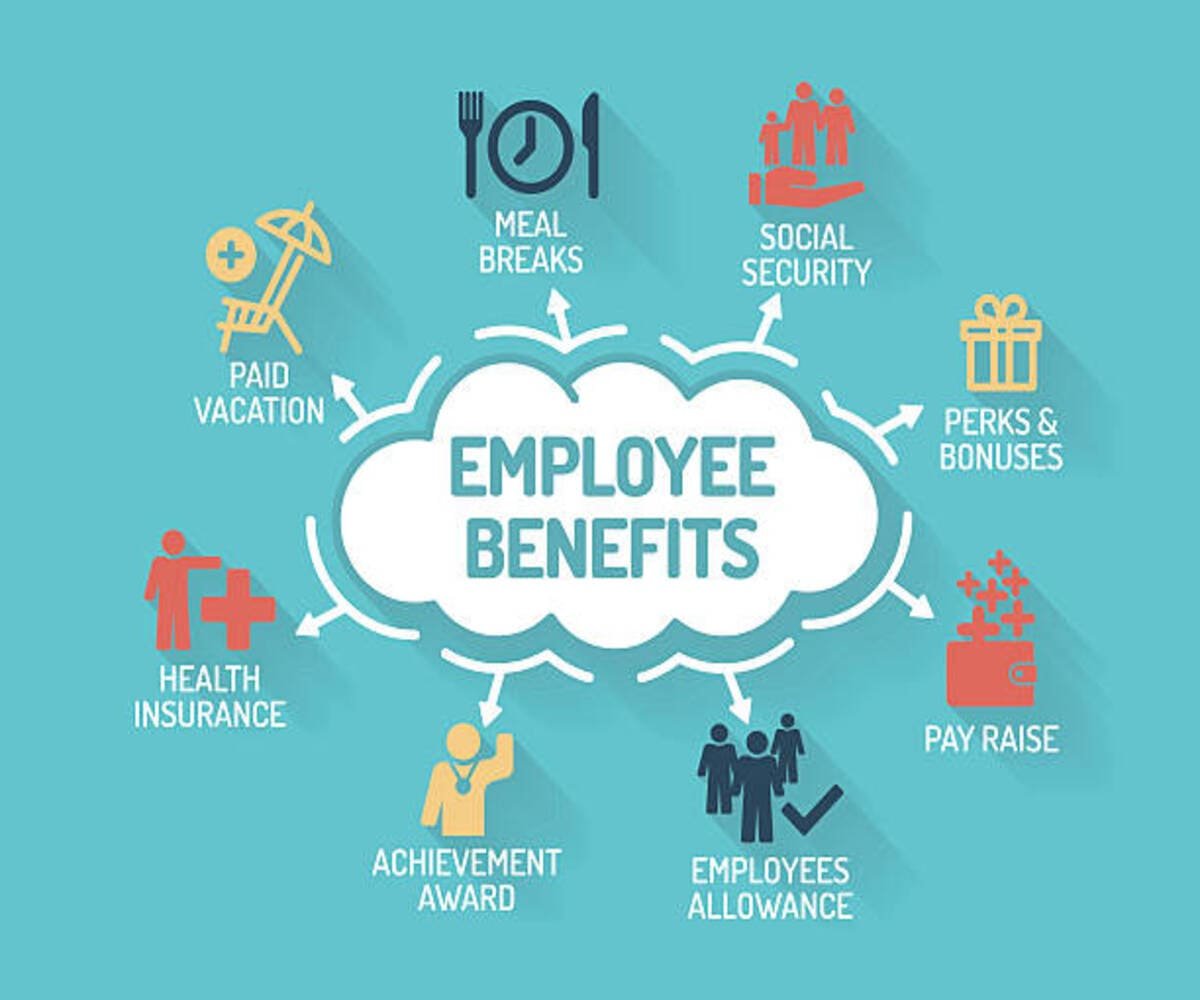
Employee compensation in India goes beyond monthly salary. Benefits like bonus, gratuity, and leave encashment play a crucial role in ensuring financial security, legal compliance, and employee satisfaction.
For employers, understanding these components is not just important – it is mandatory from a compliance perspective. Errors in calculation or delays in payment can lead to penalties, disputes, and reputational risks.
This comprehensive guide explains each of these benefits in detail, covering eligibility, calculation, latest rules, tax implications, and employer responsibilities in a simple and practical manner.
Understanding Employee Benefits Structure
Bonus, gratuity, and leave encashment are three different types of benefits, each serving a unique purpose:
- Bonus rewards employee contribution and organizational performance
- Gratuity provides long-term financial benefit for continuous service
- Leave Encashment compensates employees for unused leave
Together, they form an essential part of a compliant and well-structured payroll system.
1. Bonus in India: Rules, Eligibility & Compliance
What is Bonus?
Bonus is an additional payment made to employees apart from their salary. It may be statutory (mandatory) or performance-based depending on company policy.
Statutory bonus is governed by the Payment of Bonus Act, 1965, ensuring employees receive a fair share of company profits.
Eligibility Criteria
An employee is eligible for statutory bonus if:
- Monthly salary is up to ₹21,000
- The employee has worked at least 30 days in a financial year
Bonus Calculation
Bonus is calculated based on salary or wages, subject to legal limits:
- Minimum Bonus: 8.33% of annual wages
- Maximum Bonus: 20% of annual wages
For calculation, salary is capped at ₹7,000 per month or minimum wages (whichever is higher).
Employer Compliance for Bonus
Employers must ensure:
- Timely payment of bonus
- Accurate calculation as per law
- Maintenance of statutory records
- Transparency in bonus distribution
Non-compliance can lead to penalties and legal action.
2. Gratuity in India: Rules, Eligibility & Calculation
What is Gratuity?
Gratuity is a lump sum amount paid by an employer to an employee for long-term service. It is governed by the Payment of Gratuity Act, 1972.
It acts as a financial reward for loyalty and continuous employment.
Eligibility Criteria
- Minimum 5 years of continuous service
- Exception: In case of death or disability, gratuity is payable even before 5 years
- Fixed-term employees are eligible on a pro-rata basis
Gratuity Calculation Formula
Gratuity is calculated using:
(15 ÷ 26) × Last Drawn Salary × Years of Service
Where:
- Salary includes basic + dearness allowance
- Service beyond 6 months is rounded off to the next year
Maximum Limit and Tax Benefits
- Maximum gratuity limit: ₹20 lakh
- Tax exemption available up to the prescribed limit under Income Tax rules
Employer Responsibilities
Employers must:
- Calculate gratuity correctly
- Pay within 30 days of it becoming due
- Maintain proper records
- Avoid delays to prevent interest penalties
3. Leave Encashment: Rules, Calculation & Taxation
What is Leave Encashment?
Leave encashment is the payment made to employees for unused leave balance. It ensures employees receive monetary compensation for earned but unutilized leave.
When Leave Encashment is Paid
- During employment (based on company policy)
- At resignation, retirement, or termination
Calculation Method
Leave encashment is calculated based on:
- Last drawn salary
- Number of unused leave days
Higher salary structures result in higher encashment pay-outs.
Tax Treatment
- During employment: Fully taxable
- At retirement: Tax exemption available (subject to limits)
Employer Compliance
Employers must:
- Clearly define leave policies
- Maintain leave records
- Ensure accurate calculation and timely payment
Key Differences Between Bonus, Gratuity, and Leave Encashment
Understanding the difference between these three benefits is essential for proper payroll management and compliance.
| Basis | Bonus | Gratuity | Leave Encashment |
| Nature of Benefit | Additional payment based on performance or statutory requirement | Long-term financial benefit for continuous service | Compensation for unused earned leave |
| Governing Law | Payment of Bonus Act, 1965 | Payment of Gratuity Act, 1972 | Governed by company policy and labour practices |
| Purpose | To reward employees and share organizational profits | To recognize employee loyalty and tenure | To compensate employees for unutilized leave |
| Eligibility Criteria | Salary up to ₹21,000 and minimum 30 days of work | Minimum 5 years of service (exceptions apply) | Depends on company policy |
| When Paid | Annually | At exit or retirement | During service or at exit |
| Calculation Basis | 8.33% to 20% of wages | Based on salary and years of service | Based on salary and unused leave days |
| Maximum Limit | 20% of wages | ₹20 lakh | No fixed limit |
| Tax Treatment | Fully taxable | Tax-exempt up to limit | Partial exemption at retirement |
| Service Link | Not directly linked | Directly linked | Leave-based |
| Employer Obligation | Mandatory | Mandatory | Policy-driven |
Common Compliance Challenges
Organizations often face issues such as:
- Incorrect calculations
- Misinterpretation of eligibility rules
- Delayed payments
- Poor documentation
- Lack of updates on legal changes
These challenges can result in penalties and compliance risks.
Best Practices for Employers
To ensure smooth compliance, organizations should:
- Regularly monitor labour law updates
- Maintain structured payroll systems
- Keep accurate records and documentation
- Automate calculations where possible
- Conduct regular compliance audits
Why These Benefits Matter?
Bonus, gratuity, and leave encashment are essential for building a fair and compliant workplace. They help:
- Improve employee satisfaction and retention
- Ensure financial security for employees
- Strengthen employer credibility
- Maintain legal compliance
Frequently Asked Questions (FAQs)
- Who is eligible for bonus in India?
Employees earning up to ₹21,000 per month and working at least 30 days are eligible. - Is gratuity mandatory?
Yes, for employees meeting eligibility criteria under the law. - Can gratuity be paid before 5 years?
Yes, in cases of death, disability, or for fixed-term employees. - Is leave encashment compulsory?
It depends on company policy but is generally paid at exit. - Is bonus taxable?
Yes, bonus is fully taxable. - What happens if gratuity is delayed?
Employers may have to pay interest and penalties.
How Maplores Supports Compliance –
Maplores provides end-to-end HR and payroll compliance support, helping organizations manage bonus, gratuity, and leave encashment efficiently.
From accurate calculations to regulatory updates and documentation, businesses can ensure complete compliance and avoid risks with expert guidance.
Final Views
Bonus, gratuity, and leave encashment are not just statutory requirements – they are essential components of a well-balanced compensation system.
By understanding the rules, maintaining accurate records, and staying updated with regulations, organizations can ensure compliance while building a transparent and employee-friendly workplace.